
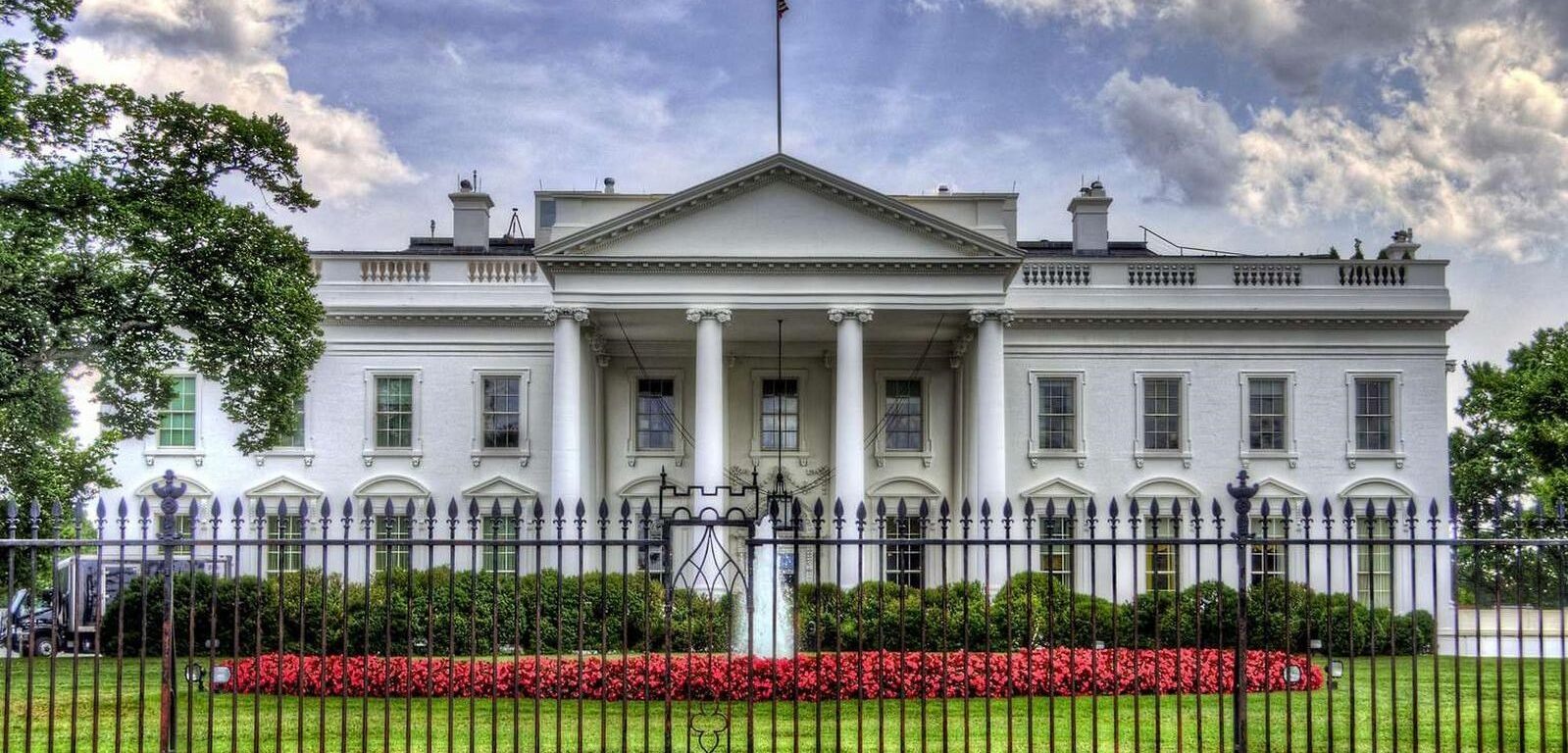

A divided federal appeals court on April 11 temporarily allowed construction to continue on the planned White House ballroom after a judge previously ordered work on the project to be halted.
The U.S. Court of Appeals for the District of Columbia Circuit voted 2–1 to let construction carry on until at least April 17. The appeals court said the extension would give the Trump administration time to appeal its new order to the U.S. Supreme Court if it wishes to do so.
Construction on the project, which involves demolishing the two-story East Wing and building a 90,000-square-foot ballroom, began in September 2025. President Donald Trump had said the ballroom project was necessary because the East Wing was too small and in poor shape.
The project is expected to cost about $400 million, all of which is expected to be funded by private donors, including Trump. The Trump administration released a list of the private donors in October 2025. The project was expected to be completed by 2028.
The project also includes national security-related facilities, primarily underground, including for presidential emergency operations.
On March 31, U.S. District Judge Richard Leon had issued a preliminary injunction halting construction as the lawsuit plays out. Leon stayed the injunction for 14 days, which gave the federal government an opportunity to appeal.
The National Trust for Historic Preservation in the United States argued that the president had no authority to move forward with the project under existing laws and that a preliminary injunction was needed to avoid irreparable harm.
Leon said in his March 31 ruling that the National Trust was “likely to succeed on the merits because no statute comes close to giving the President the authority he claims to have.”
The president of the United States “is the steward of the White House for future generations of First Families. He is not, however, the owner!” the judge added.
The judge granted the injunction, ordering that “the ballroom construction project must stop until Congress authorizes its completion.” At the same time, Leon exempted from the injunction those “actions strictly necessary to ensure the safety and security of the White House and its grounds, including the ballroom construction site, and provide for the personal safety of the President and his staff.”
National Security Concerns
The Trump administration appealed the ruling to the D.C. Circuit on April 3, citing national security concerns.
The National Park Service argued that halting the construction already underway exposes a construction site with highly sensitive security features.
Beyond simply building an expanded facility to host guests, the National Park Service said in a court filing that the ongoing construction includes the installation of new protective features to withstand attacks from high-powered rifles, drones, missiles, and other unspecified “emerging national-security technologies and threats.”
On April 11, the majority on the D.C. Circuit extended the 14-day stay that Leon issued on March 31 to April 17.
The National Trust’s arguments about “irreparable harm, and their intersection with the district court’s exclusion of necessary safety and security measures from its injunction, raise unresolved factual questions, as well as a legal dispute about the scope of the exception,” the appeals court stated in its new order.
“It remains unclear whether and to what extent the development of certain aspects of the proposed ballroom is necessary to ensure the safety and security of those below-ground national security upgrades or otherwise to ensure the safety of the White House and its occupants while the appeal proceeds.”
The appeals court sent the case back to the district court, instructing it to “promptly” address the National Trust’s separate pending motion “to clarify how the injunction and its exception will ensure safety and security pending litigation.”
The appeals court said it was extending the stay of the injunction to April 17 to give the federal government an opportunity, if it wishes, “to seek Supreme Court review of this order remanding for factual development and clarification.”
In her dissent, Circuit Judge Neomi Rao said the district court blocked construction “based on the alleged aesthetic injury of one individual residing in Washington, D.C.”
In law, aesthetic harm takes place when an unpleasing alteration to property diminishes its value or the extent to which people enjoy it.
Rao said instead of extending the district court’s stay of its own order, she would have stayed its injunction.
The federal government has shown a “strong likelihood of success on the merits” because the National Trust lacks standing to sue, and because the project is authorized by Section 105(d)(1) of Title 3 of the U.S. Code, which permits the president to undertake improvements to the White House, the circuit judge said.
Standing refers to the right of someone to sue in court. The parties must show a strong enough connection to the controversy before the court to justify their participation in a lawsuit.
The security vulnerabilities identified by the government are “clearly a weightier interest than the generalized aesthetic harms identified by a single member of the Trust,” Rao said.
“Because my colleagues’ remand for further factfinding constructively denies the government the stay to which it is entitled, I respectfully dissent.”
National Trust President and CEO Carol Quillen reacted to the new ruling.
“We appreciate the court of appeals acting quickly and await further clarification from the district court,” Quillen told The Epoch Times.
“The National Trust remains committed to honoring the historic significance of the White House, advocating for our collective role as stewards, and demonstrating how broad consultation, including with the American people, results in a better overall outcome.”
The National Trust is a private, charitable, educational nonprofit corporation chartered by Congress in 1949.
The White House did not respond to a request for comment by publication time.
Ryan Morgan contributed to this report.
This article by Matthew Vadum appeared April 11, 2026, in The Epoch Times. It was updated April 12, 2026.